1. Introduction: The Real-Time Rescue and What Science Really Knows
Those following contemporary public health debates and integrative therapeutics online have likely encountered striking visual records demonstrating the acute physiological effects of phytocannabinoids in the human organism. A particularly pedagogical and documented example can be observed in a video publicly shared on Instagram (clinical-pedagogical documentary record), made public with parental consent for educational purposes. In the recording, a father administers a few drops of cannabinoid-rich cannabis extract onto the buccal mucosa (between the lower gum and cheek) of his young son while the boy experiences a severe tonic-clonic convulsive seizure. In less than three minutes, the neuroelectrical storm subsides, muscular rigidity resolves, regular respiratory patterns return, and the child recovers full consciousness.
This clinical sequence encapsulates why medical cannabis is not an abstract culture-war topic, but a concrete therapeutic intervention capable of saving lives and averting irreversible neurological damage. During prolonged seizures, unrelenting synchronized neuronal discharges trigger glutamatergic excitotoxicity: neurons fire uncontrollably, pathological intracellular calcium accumulates, and mitochondrial energy reserves are depleted, rapidly driving cells toward apoptotic death. The rapid administration of mucosal phytocannabinoid extract functions as an immediate biological circuit breaker.
Crucially, medical cannabis is not confined to pediatric epilepsy. Although pediatric refractory seizures served as the catalyst that opened public debate due to their dramatic presentation, modern clinical pharmacology recognizes an expansive spectrum of validated indications:
- Adults with Chronic Intractable Pain and Fibromyalgia: Patients who have spent years dependent on nephrotoxic nonsteroidal anti-inflammatory drugs (NSAIDs) or dependency-inducing opioids find in cannabinoids central and peripheral pain modulation with an exceptionally superior toxicological profile[1];
- Individuals on the Autism Spectrum (ASD) and with ADHD: Endocannabinoid signaling modulation facilitates sensory processing, mitigating overstimulation episodes that trigger severe behavioral dysregulation or self-injurious actions, while simultaneously stabilizing sleep architecture and communication[2][3];
- Neurodegenerative Pathologies (Parkinson’s, Alzheimer’s, and Multiple Sclerosis): In multiple sclerosis, alleviation of refractory muscle spasticity is clinically documented[4]; in Parkinson’s disease, phytocannabinoids assist in controlling motor tremors, rigidity, and rapid eye movement sleep behavior disorders[5];
- Mental Health (Treatment-Resistant Anxiety, Insomnia, and PTSD): Cannabidiol modulates fear and hyperarousal neural circuitry, fostering emotional recalibration without the heavy sedation, cognitive blunting, or dependence risks inherent to conventional benzodiazepines[6][7];
- Oncology and Palliative Care: Mitigating chemotherapy-induced nausea and vomiting, stimulating appetite in cachexia syndromes, and managing refractory neuropathic cancer pain[8].
This therapeutic multiplicity, however, demands epistemic rigor to avoid the pitfall of the “panacea” or sensationalist marketing claiming the botanical species is a miraculous cure for every illness. Under the lens of evidence-based medicine (Oxford and GRADE classification systems), it is essential to stratify the level of clinical validation for each indication:
- Gold-Standard and Maximum Clinical Certainty (Level 1A): Severe refractory pediatric epileptic encephalopathies (such as Dravet Syndrome, Lennox-Gastaut Syndrome, and Tuberous Sclerosis Complex)[9] are supported by robust, phase III, multicenter, randomized, double-blind, placebo-controlled clinical trials, leading to formal drug approvals by leading international regulatory bodies (FDA, EMA, and Anvisa);
- Robust and Consolidated Evidence (Level 1B / 2A): Management of refractory chronic neuropathic pain in adults and muscular spasticity secondary to multiple sclerosis are firmly endorsed by high-quality systematic reviews and international clinical guidelines;
- Emerging and Observational Evidence (Level 2B / 3): Indications in neurodevelopmental conditions (such as ASD and ADHD), generalized anxiety disorders, and primary insomnia possess strong biological plausibility and extensive observational cohorts, retrospective case series, and real-world evidence (RWE). Nevertheless, these applications still require large-scale controlled clinical trials to define definitive dose-response relationships and standardized posologies[10].
Accordingly, this study is formally structured as an interdisciplinary critical essay and thematic literature review: the objective of this analysis is not to operate as a closed quantitative meta-analysis (PRISMA style), but to construct a thorough examination bridging cellular neuropharmacology, the sociology of stigma, and the political economy of Brazil’s Unified Health System (SUS), confronting biomedical evidence with the tangible socio-juridical barriers that marginalize Brazilian patients.
The Pharmacological Basis and the Endocannabinoid System
To understand how a single botanical species can exert regulatory actions across diverse organ systems, one does not appeal to mysticism, but to fundamental cellular physiology. Every human being possesses an Endocannabinoid System (ECS). Pioneeringly elucidated in the early 1990s through the isolation of its receptors and endogenous ligands by the research team led by Professor Raphael Mechoulam at the Hebrew University of Jerusalem, the ECS functions as a primary physiological conductor responsible for preserving homeostasis (the dynamic internal equilibrium of the organism in response to external stressors).
The molecular characterization of this signaling network began with the isolation of anandamide in the brain by William Devane, Lumír Hanuš, and Raphael Mechoulam[11], followed by the identification of 2-arachidonoylglycerol (2-AG) as the primary physiological endocannabinoid ligand[12]. As summarized in a comprehensive review by Vincenzo Di Marzo and Fabiana Piscitelli[13], the ECS operates as an on-demand retrograde transmission mechanism, modulating synaptic tone and preventing pathological neurotoxic or hyper-inflammatory cascades.
The ECS comprises a tightly integrated molecular triad:
1. Receptors (CB1 and CB2)
Primarily CB1 receptors (densely concentrated in the brain and central nervous system) and CB2 receptors (expressed predominantly on immune cells and peripheral tissues).
2. Endocannabinoids
Bioactive lipids synthesized on-demand by post-synaptic neurons, notably anandamide (AEA) and 2-AG (2-arachidonoylglycerol).
3. Metabolic Enzymes
Enzymes responsible for synthesizing and degrading these ligands (notably FAAH for anandamide and MAGL for 2-AG) once homeostatic regulation is accomplished.
When pathology emerges or uncontrolled electrical discharges overwhelm physiological thresholds, endogenous endocannabinoid production may prove insufficient. This is where exogenous phytocannabinoids derived from Cannabis sativa intervene. Cannabidiol (CBD), which does not produce intoxicating psychotropic effects, acts as a sophisticated negative allosteric modulator: it subtly reconfigures receptor conformation, attenuating hyperexcitability without disrupting essential neurotransmission circuits. Conversely, delta-9-tetrahydrocannabinol (THC), when administered in carefully calibrated medicinal ratios, functions as a potent partial agonist of CB1 receptors, delivering analgesia and muscular relaxation recognized by contemporary pharmacology.
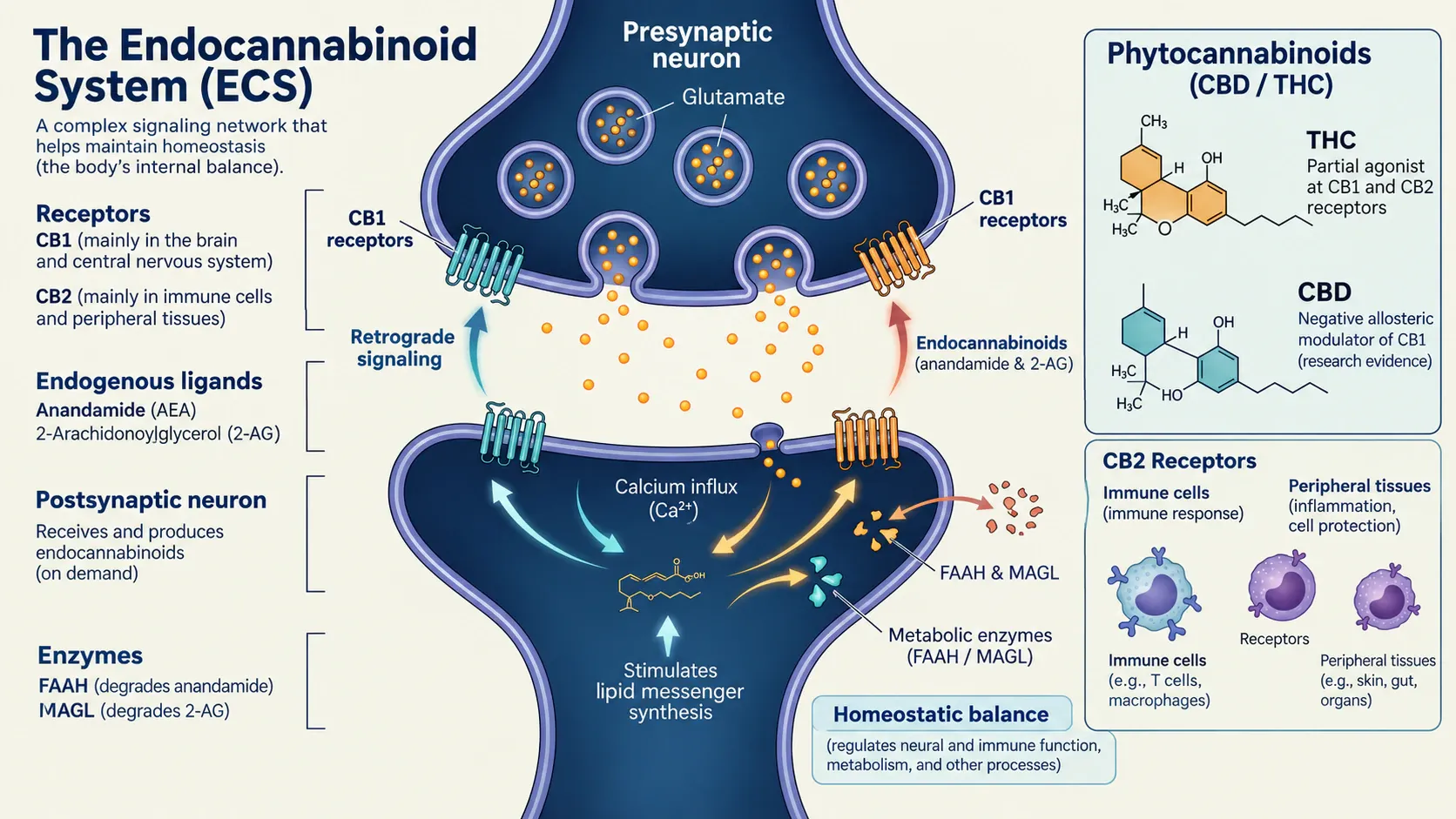
Figure 1. Synaptic Architecture and Retrograde Signaling Mechanism of the Endocannabinoid System (ECS).
Note. Schematic representation of the tripartite synapse and retrograde synaptic modulation: endocannabinoids (anandamide and 2-AG) are synthesized on demand within the post-synaptic dendritic membrane and diffuse retrogradely across the synaptic cleft to bind pre-synaptic CB1 receptors, inhibiting excessive calcium influx and blocking the exocytosis of excitatory neurotransmitters (glutamate). Cannabidiol (CBD) operates as an allosteric modulator dampening hyperexcitability, while tetrahydrocannabinol (THC) serves as a partial agonist relieving pain and spasticity. The catabolic enzymes FAAH and MAGL degrade the lipid messengers following receptor activation, while CB2 receptors are localized primarily on microglia and circulating immune cells.
Pivotal international clinical trials have validated this efficacy in randomized, double-blind, placebo-controlled protocols. Orrin Devinsky and colleagues demonstrated in The New England Journal of Medicine that adjuvant cannabidiol drastically curtailed monthly convulsive seizures in Dravet Syndrome[14] and drop seizures in Lennox-Gastaut Syndrome[15].
In a seminal review on cannabinoid pharmacokinetics, Emilio Perucca[16] detailed how CBD acts not only via the orphan receptor GPR55 and transient receptor potential vanilloid 1 (TRPV1) channels (diminishing presynaptic intracellular calcium accumulation), but also competitively inhibits the CYP2C19 isoform of the cytochrome P450 hepatic enzymatic system. This pharmacokinetic interaction elevates plasma levels of the active anticonvulsant metabolite of clobazam (N-desmethylclobazam), enhancing seizure control without requiring toxic doses of either compound.
Biomedical science has thoroughly established how and why cannabinoid therapy functions. The fundamental contradiction in Brazil lies in the acute social, economic, and institutional chasm that separates these empirical discoveries from ordinary citizens.
2. The Three Dimensions of Access: Biological, Psychological, and Social
To comprehend why access to therapeutic cannabis in Brazil resembles an obstacle course, the phenomenon must be deconstructed across three converging dimensions: the biological body, the psychological toll of moral stigma, and the systemic barriers embedded in daily institutions.
2.1. The Biological Dimension and the Polypharmacy Trap
In conventional medical practice, patients with chronic or refractory conditions rarely encounter cannabis as a frontline therapy. They arrive after years trapped in an iatrogenic spiral known as polypharmacy.
In pediatric neurology, it is routine to observe children prescribed three, four, or five synthetic anticonvulsants concurrently: aggressive cocktails of sodium valproate, vigabatrin, topiramate, and clobazam. The cumulative toll of this therapeutic approach is devastating: vigabatrin carries a documented risk of permanent concentric visual field loss[17]; valproate imposes risks of severe hepatotoxicity and thrombocytopenia; topiramate induces profound lethargy and cognitive slowing. Children often spend their days prostrated, drooling, and unable to interact with their families.
An analogous dynamic affects adults living with intractable chronic pain: the customary escalation involves escalating doses of pregabalin, nonsteroidal anti-inflammatory drugs (risking renal impairment and gastric ulcers), and opioid analgesics such as tramadol, codeine, and morphine, which induce severe constipation, cognitive haze, rapid tolerance, and physical dependence.
The phytocomplex of cannabis, particularly in full-spectrum preparations where primary cannabinoids, secondary cannabinoids (such as CBG and CBN), and terpenes function cooperatively in the entourage effect, acts as a homeostatic stabilizer. This botanical synergism, conceptualized by Ethan B. Russo[18], demonstrates that terpenes and minor cannabinoids enhance therapeutic properties while moderating the side effects of isolated THC. By dampening hyperexcitability in nociceptive and motor pathways without depressing vital cardiorespiratory centers in the brainstem, phytotherapy frequently enables the systematic, supervised tapering of toxic synthetic agents, restoring alertness, lucidity, and functional autonomy to the individual.
Harm Reduction in Clinical Practice: The Principle that Natural Does Not Mean Risk-Free
Transcending the synthetic polypharmacy trap must not authorize clinical naivety: phytocannabinoids are pharmacologically active molecules that require rigorous medical stewardship. Genuine Harm Reduction in therapeutic cannabis use entails understanding the real risks and metabolic pathways of the plant to anticipate and prevent adverse drug interactions:
- Hepatic Pharmacokinetic Interactions (Cytochrome P450): Cannabidiol (CBD) is a potent inhibitor of hepatic isoenzymes CYP3A4 and CYP2C19. In polymedicated patients, CBD slows the metabolic clearance of multiple maintenance drugs, elevating their circulating plasma concentrations to potentially toxic thresholds. The clearest example in pediatric neurology involves the anticonvulsant clobazam: enzymatic inhibition by CBD can quadruple plasma levels of the active metabolite N-desmethylclobazam, precipitating extreme sedation, somnolence, and motor ataxia unless the synthetic dose is proactively and gradually lowered by the attending physician[19]. The same caution applies to concurrent therapy with narrow therapeutic index medications such as anticoagulants (warfarin) and immunosuppressants, requiring frequent laboratory monitoring and liver enzyme evaluations;
- Psychiatric Screening and THC-Specific Precautions: While CBD exhibits intrinsic anxiolytic and antipsychotic properties, tetrahydrocannabinol (THC) functions as a partial agonist of CB1 receptors and requires diligent psychiatric screening. Formulations featuring moderate or high concentrations of THC are contraindicated in adolescents and young adults with genetic vulnerability or family histories of psychotic disorders (such as schizophrenia or first-episode psychosis risk)[20], and require heightened vigilance in cardiac patients due to transient chronotropic effects (reactive tachycardia);
- Cannabinoid Hyperemesis Syndrome (CHS): Prolonged, high-dose exposure to cannabinoids without professional guidance can trigger a paradoxical clinical disorder marked by cyclical bouts of severe nausea, abdominal cramping, and intractable emesis that temporarily resolve only with compulsive hot baths[21]. The definitive resolution requires supervised cannabinoid cessation and a comprehensive therapeutic overhaul.
Affirming that cannabis exhibits a toxicological profile vastly superior to opioids and benzodiazepines does not justify viewing it as an innocuous substance. Individualized clinical evaluation, gradual dose titration, and regular laboratory surveillance constitute the indispensable foundation of a safe, responsible, and effective regimen.
2.2. The Psychological Dimension: Stigma Theory and Induced Parental Guilt
Despite compelling clinical evidence, the journey of those who turn to therapeutic cannabis is fraught with profound emotional distress. To understand this tension, sociology and social psychology provide an indispensable theoretical framework: the stigma theory articulated by Bruce Link and Jo Phelan[22].
Link and Phelan demonstrated that stigma converges through four structured social mechanisms:
1. Labeling
Society identifies and isolates a human difference, assigning it a lasting derogatory label.
2. Stereotyping
The assigned label is automatically linked to generalized pejorative beliefs and moral assumptions.
3. Categorical Separation
An invisible barrier is erected separating the dominant social ingroup ("law-abiding citizens") from the stigmatized outgroup ("deviants", "transgressors").
4. Status Loss and Discrimination
Those carrying the label suffer concrete social devaluation, institutional exclusion, and systemic loss of opportunities and legal protections.
In medical cannabis patients, this sociological apparatus produces what literature characterizes as felt stigma, extensively documented in qualitative fieldwork by Elisa Sobo[23] and Gibbard et al.[24].
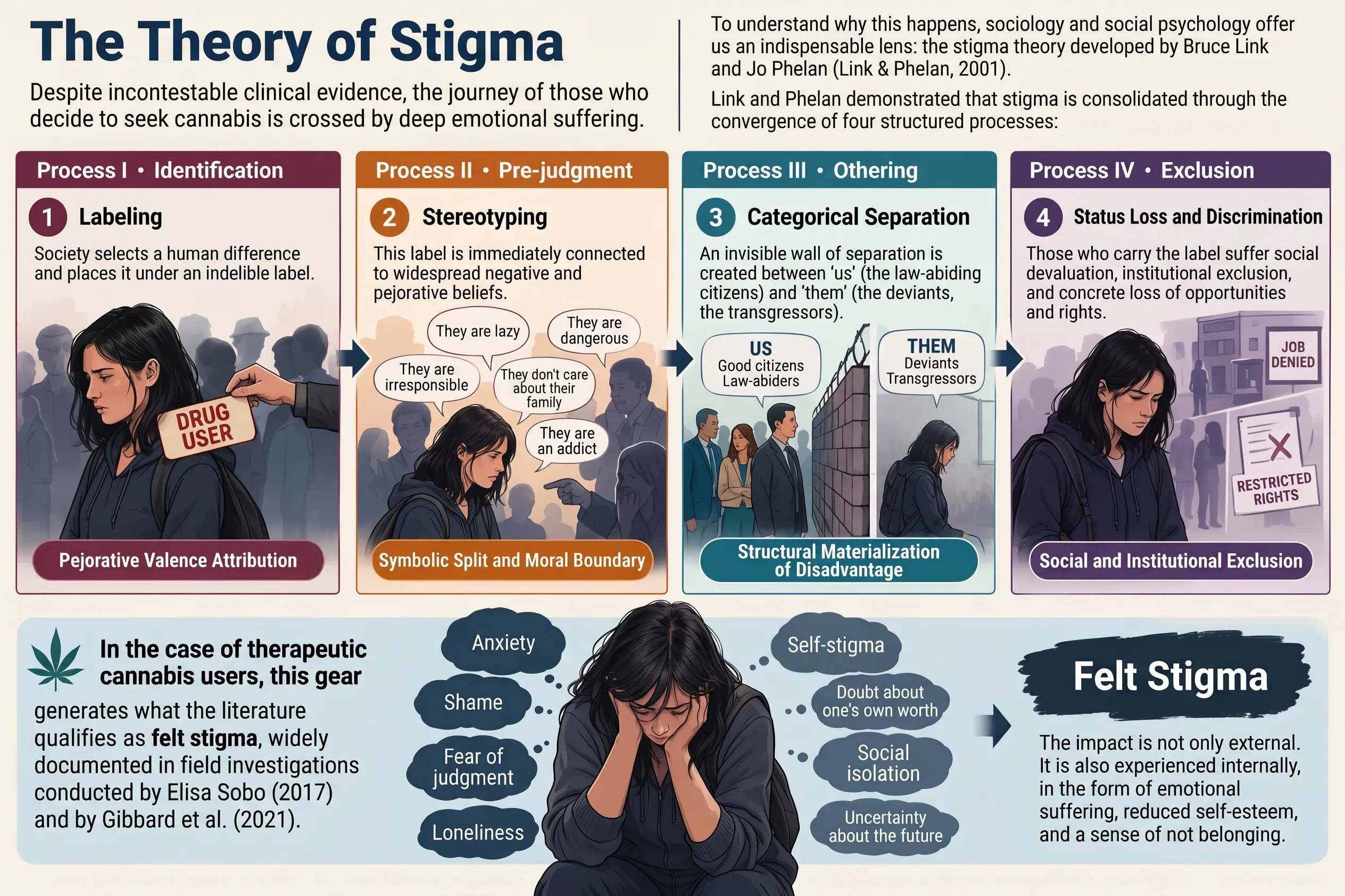
Figure 2. The Psychosocial Dynamics of Stigma Applied to Therapeutic Cannabis.
Note. Conceptual diagram of the sociological components of stigma theory[22] and their manifestation in therapeutic cannabinoid therapy: labeling human difference, stereotyping, interpersonal categorical separation, and concrete status loss or rights deprivation. This trajectory produces felt stigma and internalized shame, compelling patients and caregivers to systematically conceal their therapeutic routines[23][24].
Adults treating pain, anxiety, or insomnia frequently hide their regimens from friends, family, and employers to avoid being branded as recreational users in disguise. The heaviest emotional burden, however, falls upon parents of atypical children or those with rare genetic syndromes. Beyond navigating difficult diagnoses and exhausting daily care, these caregivers operate under persistent moral scrutiny. The fear of anonymous reports to Child Guardianship Councils (Conselhos Tutelares) alleging “child neglect” or “administering narcotics to minors” generates induced parental guilt: the prohibitionist state leads devoted parents to feel like criminals precisely while fulfilling their primary responsibility to preserve their child’s health and comfort.
2.3. The Social Dimension: School Resistance and the Curricular Deficit in Medical Training
At the institutional level, social prejudice materializes into direct administrative barriers. Across Brazilian schools, both public and private, reluctance or refusal to facilitate prescribed daytime dosing is extensively documented in surveys conducted by patient advocacy networks[26][27]. Lacking clear directives from Municipal and State Education Departments and fearful of legal liability concerning controlled cannabis-derived substances, school administrations routinely refuse to store or administer prescribed doses. This forces working parents to leave their jobs midday to administer drops in person outside school premises.
Within the medical community, the situation is similarly challenging. The overwhelming majority of medical schools across Brazil have yet to incorporate the endocannabinoid system into their mandatory pharmacology and physiology curricula[28][29]. This curricular gap produces cohorts of practitioners unfamiliar with the biological mechanisms of phytocannabinoids, who frequently default to moralized prohibitionist rhetoric: declining to prescribe, refusing to sign clinical summaries, and at times censuring patients who report significant therapeutic gains with phytocannabinoids.
3. The Brazilian Regulatory Patchwork and the Power of Grassroots Associativism
The historical path of medical cannabis in Brazil was not shaped by a coordinated, proactive policy from the Ministry of Health. It represents the history of a state pushed toward public health accountability through strategic judicial litigation and the mobilization of patient families.
The Historic Case of Katiele Fischer and Her Daughter Anny (CDKL5)
The foundational turning point for medical cannabis in Brazil centers on Katiele Fischer and her daughter Anny, from Brasília. Anny was born with a rare genetic mutation in the CDKL5 gene, an epileptic encephalopathy characterized by severe developmental delay and dozens of daily seizures completely refractory to every conventional synthetic antiepileptic drug[30]. Her family had trialed more than 60 medications and procedures without success, witnessing the young girl suffer as many as 80 convulsive seizures in a single week.
In 2013, through international online forums, Katiele and Norberto Fischer discovered accounts from American families utilizing a cannabidiol-rich paste imported from the United States (the artisanal formulation RSHO - Real Scientific Hemp Oil). Upon importing the compound outside formal channels and initiating administration, the clinical response was dramatic: within weeks, Anny’s seizures decreased precipitously, eventually ceasing for extended periods and enabling the child to regain muscle tone and make eye contact.
This private family experience became a national catalyst when an international parcel was intercepted and seized by Federal Revenue and health surveillance authorities at customs checkpoints. With their medication supply exhausted and the imminent prospect of unchecked status epilepticus threatening Anny’s life, Katiele chose to act: supported by legal counsel, she filed suit in Federal Court and shared her daughter’s story publicly, culminating in a landmark investigative report broadcast on the nationwide news program Fantástico (Rede Globo)[31]. The case, chronicled extensively by the media and documented in the film Ilegal: A Vida Não Espera (2014, directed by Tarso Araujo and Raphael Erichsen; produced by Superinteressante and 3FilmGroup)[32], placed immense pressure on government institutions.
On April 3, 2014, the 3rd Federal Court of the Federal District issued an unprecedented preliminary injunction (Case No. 0019230-08.2014.4.01.3400, granted by Federal Judge Bruno César Bandeira Apolinário), ordering Anvisa to immediately authorize the emergency importation of cannabidiol to safeguard Anny’s life and physical integrity[33]. This judicial order challenged official prohibitions, compelling Anvisa in January 2015 to issue Collegiate Resolution RDC No. 3/2015[34], which reclassified cannabidiol from the list of strictly prohibited substances (List F) to the category of controlled substances (List C1).
The Normative Labyrinth: From RDC 327 to RDC 1,015/2026 and Anvisa’s RDC 660
Despite the breakthrough of the Fischer case, subsequent Brazilian regulation relied on provisional administrative measures rather than establishing a universal access framework:
- Anvisa RDC No. 327/2019[35] and RDC No. 1,015/2026[36]: Commercial availability in Brazilian retail pharmacies originated under RDC No. 327/2019, which created the sui generis classification of “Cannabis Product”. Under this temporary framework, formulas sold in pharmacies are not formally registered as full medicines (the agency waived Phase III national clinical trials to expedite market release) and reach patients accompanied by an “Informative Leaflet” rather than a standard package insert. In February 2026, following a five-year regulatory review influenced by rulings from the Superior Court of Justice (STJ), Anvisa enacted RDC No. 1,015/2026[36] (effective May 2026), officially repealing RDC 327. The updated regulation broadened permitted routes of administration (including dermatological, sublingual, and buccal), established mandatory Informed Consent Forms (TCLE), and updated prescription rules based on THC concentrations. However, the socioeconomic barrier remained intact: the agency retained stringent Good Manufacturing Practice (GMP) requirements tailored to multinational pharmaceutical manufacturers, ensuring high retail shelf prices (ranging from R$ 600.00 to R$ 2,500.00 per bottle) that place pharmacy-dispensed products out of reach for most of the Brazilian population;
- Anvisa RDC No. 660/2022[37]: Standardized the process for direct exceptional importation by individual patients for personal use. While streamlining digital registration on the federal government portal, this route remains limited by socioeconomic factors: it requires international credit cards, express air freight priced in US dollars, and customs clearance through Viracopos or Guarulhos airports, leaving patients vulnerable to shipping delays that can disrupt treatment.
Associativism as a Tangible Collective Health Practice
Faced with high pharmacy prices and dollarized import channels, Brazilian civil society developed an alternative response: organizing grassroots cannabis patient associations, recognized as a significant model of Community Health and Collective Care in Latin America[27][38].
Parents, agronomists, physicians, and legal advocates formed cooperative organizations to address gaps left by the public health system:
- ABRACE (Associação Brasileira de Apoio Cannabis Esperança, João Pessoa/PB): Founded by Cassiano Gomes, ABRACE obtained in 2017 the first federal court authorization for collective cultivation and production for medical purposes[39], providing care to more than 40,000 families across the country[27];
- APEPI (Associação de Apoio à Pesquisa e a Pacientes de Cannabis Medicinal, Rio de Janeiro/RJ): Founded by Margarete Brito and Marcos Lins Langenbach (parents of Sofia, also carrying a CDKL5 mutation), APEPI secured judicial authorization for research and cultivation[40] and established an institutional research collaboration with Fiocruz and UFRJ for analytical quality control, clinical studies, and medical training[26][27];
- Cultive (Associação de Cannabis e Saúde, São Paulo/SP): Founded by Cidinha Carvalho (mother of Clárian, who lives with Dravet Syndrome), Cultive secured a collective preventive Habeas Corpus in criminal court from the São Paulo Court of Justice[41] and trained thousands of family caregivers in safe, standardized cultivation and extraction methods[26][38].
Operating under preventive Habeas Corpus protections and legal actions anchored in the state of necessity and human dignity, these non-profit associations cultivate standardized genetic varieties on Brazilian soil and have constructed analytical laboratories. Within these facilities, they deploy High-Performance Liquid Chromatography (HPLC) to verify exact cannabinoid concentrations (CBD, THC, CBG) and conduct microbiological assays to confirm the absence of fungal spores, bacteria, and heavy metals[42][38]. By making standardized extracts available at membership-cost shares that represent a fraction of commercial pharmacy pricing, these organizations have sustained access for thousands of Brazilian patients.
3.4. Domestic Home Cultivation: The Income Barrier, the Safe-Conduct, and the Care Economy
Despite the role played by patient associations, economic realities present barriers for many families: in a country where millions subsist on the minimum wage or social assistance, association contributions (averaging between R$ 150.00 and R$ 400.00 per bottle of oil, or R$ 30.00 to R$ 60.00 per gram of medicinal flower) remain difficult to afford for vulnerable households.
This barrier is evident in clinical scenarios requiring inhaled routes for rapid onset. In managing breakthrough neuropathic pain, acute spasticity crises, or severe sleep-onset insomnia, pulmonary administration of standardized flowers via medical vaporization achieves therapeutic onset within minutes, unlike oral ingestion which requires 45 to 90 minutes to reach peak plasma concentrations. For patients prescribed approximately 40 grams of dried flower monthly, sourcing through commercial import or associative channels costs between R$ 1,200.00 and R$ 2,400.00 per month. In low-income homes, this expense can consume the entirety of household earnings.
In response to this reality, artisanal home cultivation has developed as a viable social technology and survival strategy[38]. Following initial acquisition of genetics and basic organic gardening supplies or low-wattage lighting, the ongoing monthly maintenance cost of an artisanal home garden drops to roughly R$ 100.00 to R$ 150.00 (covering basic soil inputs, organic amendments, and modest electricity usage). This allows families to sustain necessary treatment regimens within restricted budgets.
Given the absence of federal administrative regulations under Article 2, sole paragraph, of Law No. 11,343/2006[43], patients pursuing home cultivation have turned to the judiciary through a preventive Habeas Corpus petition seeking safe-conduct (salvo-conduto) (grounded in Article 5, item LXVIII of the Federal Constitution[44] and Article 647 of the Code of Criminal Procedure[45]), filed against police and health inspection authorities.
A successful safe-conduct petition requires structured documentary proof:
- Detailed Clinical Dossier and Medical Prescription: Formal reports from the attending physician documenting diagnosis, failure or intolerance of conventional pharmaceuticals, and the proposed daily posology;
- Prior Anvisa Authorization: Federal registration for direct personal import, cited by courts as official recognition of the substance’s therapeutic utility for the individual;
- Proof of Economic Inability: Financial records demonstrating the patient cannot sustain the high costs of imported or pharmacy-dispensed preparations;
- Technical Training in Cultivation and Extraction: Certificates from technical courses in botanical management and safe artisanal extraction (provided by patient associations), demonstrating competence to manage plants safely without diversion.
This legal path found consolidation in rulings by the Superior Court of Justice (STJ). In landmark decisions on Special Appeal No. 1,977,027/PR and RHC 147,169/SP before the Sixth Panel, with Justice Rogerio Schietti Cruz as rapporteur, the court affirmed that cultivating Cannabis sativa for medical reasons lacks material criminality (causing no injury to public health) and is protected under the state of necessity, confirming the appropriateness of judicial safe-conducts[46].
A judicial safe-conduct provides essential protections for families:
- Protection from Criminal Incarceration: Shields patients and caregivers from arrest and felony charges under Article 33 of the Drug Law (which carries sentences of 5 to 15 years);
- Protection of the Growing Space: Protects therapeutic plants, mother stock, and equipment from arbitrary confiscation or destruction by police forces;
- Continuity of Care: Secures uninterrupted therapy, eliminating dependence on lengthy import processes or shifting commercial availability.
Conscious Cultivation and the Pharmacotechnic Challenge: Harm Reduction in Domestic Production
While home cultivation provides therapeutic independence and reduces costs, it presents technical challenges regarding inter-harvest chemotypic variability. Unlike industrial pharmaceutical production in cleanrooms with uniform milligram concentrations, artisanal growing is influenced by environmental factors such as light quality, organic soil composition, curing humidity, and heat management during decarboxylation. As a result, cannabinoid ratios (CBD, THC, terpenes) can vary across harvest cycles.
To address these variations within a Harm Reduction framework, patient movements prioritize two main practices:
- The “Start Low, Go Slow” Titration Protocol: In home fitotherapy, patients are advised to begin each new preparation batch at micro-doses (a single drop or small fraction), increasing every three to five days until identifying the effective therapeutic window[47]. This empirical titration reduces the likelihood of accidental underdosing or adverse side effects;
- Access to Public Analytical Testing (HPLC Chromatography): Regulatory progress involves supporting home cultivators with analytical resources rather than relying on prohibition. Public universities and state laboratories maintain High-Performance Liquid Chromatography (HPLC) equipment capable of providing accurate cannabinoid profiling and microbiological screening for home-grown extracts[48]. Establishing accessible testing partnerships between academia and registered safe-conduct holders helps ensure both patient autonomy and analytical safety.
3.5. Harm Reduction and the Pitfall of the Illicit Market: Hidden Chemistry and Pressed Brick Weed Degradation
When low-income patients cannot afford commercial pharmacy or association rates and lack access to legal assistance (due to overburdened public defender systems or inability to hire private counsel), difficult circumstances arise. Severe chronic pain and convulsive disorders do not pause for bureaucratic processes. Seeking immediate relief, some individuals turn to unregulated, illicit markets.
This route exposes vulnerable patients to risks from criminal networks and police encounters. Operating without legal documentation, patients face legal risks and potential arrest on trafficking charges for possessing non-regulated plant material.
From a biomedical and toxicological perspective, relying on illegal markets carries substantial health risks. Unregulated commercial cannabis, typically distributed as compressed “brick weed” (prensado), moves through substandard processing, transport, and storage conditions. Compressed while still damp to decrease transport volume, the plant material frequently undergoes anaerobic fermentation, heating, and microbial proliferation.
Toxicological and microbiological analyses consistently identify widespread contamination in unregulated compressed brick cannabis:
- Fungal Pathogens and Aflatoxins: Microbiological studies on unregulated plant material reveal bacterial and fungal counts substantially exceeding maximum thresholds established by the Brazilian Pharmacopoeia and international health bodies. Filamentous fungi of the Aspergillus genus (Aspergillus flavus, Aspergillus fumigatus) are frequently identified, producing aflatoxins, which are recognized hepatotoxic and carcinogenic mycotoxins[49];
- Risk of Invasive Pulmonary Aspergillosis: For immunocompromised patients (such as oncology patients on chemotherapy, organ transplant recipients, or children with neurological conditions), inhaling viable Aspergillus spores poses a risk of invasive pulmonary aspergillosis, an opportunistic fungal infection carrying significant mortality rates;
- Chemical Adulterants and Contaminants: To cover odors associated with decomposition and retard mold development during transit, compressed bricks are sometimes exposed to ammonia or volatile chemicals. Laboratory tests have also detected contaminants including insect and rodent waste, dirt, banned agricultural pesticides, and fecal coliforms (Escherichia coli);
- Synthetic Cannabinoid Adulteration (K2, K9, Spice): Forensic toxicology has documented instances of poor-quality plant biomass being sprayed with unregulated synthetic cannabinoids. These lab-synthesized molecules act as full agonists at CB1 receptors with potency significantly higher than natural plant THC, carrying risks of severe intoxication, seizures, renal injury, and acute toxic psychosis[50], running contrary to the balanced modulation sought in medical treatment;
- Lack of Cannabinoid Consistency: Products purchased through illicit channels lack analytical verification. Cannabinoids degrade through oxidation, converting THC into cannabinol (CBN) and toxic pyrolytic byproducts without HPLC analysis to verify active ratios or screen for contaminants[42].
In this context, Harm Reduction functions as a fundamental health priority. Financial barriers and prohibitionist laws do not prevent desperate patients from seeking therapeutic relief; rather, they divert them from regulated, tested phytotherapy toward contaminated, hazardous alternatives under legal risk. Providing pathways for safe domestic cultivation and public healthcare access helps protect patients from the health risks of illicit markets.
4. Global Pragmatism: Regulatory Frameworks Devoid of Moralism
While Brazil continues to rely on provisional court injunctions and fragmented administrative decrees, multiple Western nations manage medical cannabis through frameworks centered on economic pragmatism, bioethics, and public healthcare coverage.
The Canadian Experience: The Dual Integrated Model
In Canada, the implementation of the Cannabis Act (Bill C-45, 2018)[51] established an integrated dual framework. In legalizing adult personal use, the Canadian federal government preserved and strengthened a distinct medical pathway under the Cannabis Regulations (Part 14: Medical Access)[52].
Registered patients holding authorizations from licensed healthcare providers receive standardized preparations shipped directly by mail from federally Licensed Producers (LPs). The system also recognizes the right to medicinal personal cultivation or the designation of an authorized third-party grower (designated grower). Medical cannabis expenses qualify for federal tax deductions (Medical Expense Tax Credit), and numerous private insurance carriers provide partial reimbursement for approved conditions.
Germany: De-narcotization and Universal Statutory Coverage
In Germany, comprehensive statutory reforms enacted by Parliament in April 2024 unified the Cannabis Control and Medical Cannabis acts (CanG and MedCanG)[53]. A pivotal change was the formal removal of cannabis from the federal Narcotics Act (BtMG).
This statutory shift removed the requirement for specialized yellow narcotics prescriptions (BtM-Rezept). Physicians across all specialties can now prescribe medical cannabis using standard electronic prescriptions. Crucially, the German model integrates with statutory health insurance: under § 31 Abs. 6 of Social Code Book V (Sozialgesetzbuch V - SGB V)[54], public health insurance funds (Gesetzliche Krankenkassen, covering roughly 90% of the population) are statutorily mandated to cover 100% of the cost of standardized oils, extracts, and medicinal flowers for patients with severe chronic conditions when conventional therapies prove inadequate. Under German law, medical cannabis functions as a standard public health benefit.
United States: Scientific Validation and Federal Transition
In the United States, the Food and Drug Administration (FDA) granted marketing approval on June 25, 2018, to Epidiolex (Greenwich Biosciences / Jazz Pharmaceuticals), a purified plant-derived cannabidiol oral solution for treatment-resistant epileptic encephalopathies, setting a benchmark for pharmaceutical manufacturing standards.
At the federal regulatory level, a significant policy shift has been advanced through the Department of Justice and the Drug Enforcement Administration (DEA): the Notice of Proposed Rulemaking (Docket DEA-1362)[55] proposes reclassifying cannabis from Schedule I (substances categorized as having no accepted medical use and high abuse liability) to Schedule III of the Controlled Substances Act. This rescheduling removes federal tax restrictions under Section 280E of the Internal Revenue Code for compliant businesses and expands federal research funding pathways across the National Institutes of Health (NIH).
Australia and Uruguay: Real-World Surveillance and State Regulation
In Australia, the Therapeutic Goods Administration (TGA) established the Special Access Scheme (SAS-B) alongside the Authorised Prescriber Scheme, building a comprehensive national repository of Real-World Evidence (RWE) that monitors clinical outcomes and safety profiles across tens of thousands of active patients. In Uruguay, which enacted comprehensive legislation under Law No. 19,172/2013[56], the state manages end-to-end regulation centered on public health, supplying products via licensed community pharmacies and registered cultivation clubs at controlled, accessible pricing.
International Regulatory Comparative Table
| Country | Statutory Classification of the Plant | Public Coverage / Insurance Subsidy | Pharmacy & Community Access Models |
|---|---|---|---|
| Brazil | Proscribed under Law 11,343/06[57]; “Cannabis Product” (RDC 327/19[35], updated by RDC 1,015/26[36]) and direct personal import (RDC 660/22[37]). | Lacks universal SUS coverage; access through the public sector depends on costly judicial litigation. | Commercial pharmacies with elevated pricing (R$ 600.00 to R$ 2,500.00), direct dollarized imports, and non-profit associations operating under Habeas Corpus. |
| Canada | Regulated for medical and adult personal use (Cannabis Act[51], Bill C-45 / Part 14). | Partial reimbursement through private insurance; full federal tax deduction (Medical Expense Tax Credit). | Dedicated medical channel (Health Canada), postal delivery from Licensed Producers, home cultivation, or designated third-party growers. |
| Germany | De-narcotized from the BtMG (CanG and MedCanG, 2024[53]); standard prescription framework. | 100% mandatory coverage by statutory public health insurance (Krankenkassen, § 31 Abs. 6 SGB V[54]) for severe chronic conditions. | Community pharmacies dispense standardized oils and magistral flower preparations under ordinary electronic prescriptions. |
| United States | Under federal rescheduling from Schedule I to Schedule III (Docket DEA-1362[55]); medical programs legal in 38+ states. | Public insurance covers FDA-approved drugs (Epidiolex); state dispensary purchases rely on out-of-pocket patient spending. | Conventional pharmacies for FDA-approved drugs; state-licensed medical dispensaries and non-profit compassion cooperatives. |
| Australia | Controlled substance for medicinal applications under the Therapeutic Goods Act. | Targeted coverage on the Pharmaceutical Benefits Scheme (PBS); most access occurs via private insurance or out-of-pocket spending. | Special Access Scheme (SAS-B) and Authorized Prescribers, with clinical tracking through the TGA RWE database. |
| Uruguay | Fully regulated under state supervision (Law No. 19,172/2013[56]). | Low-cost pricing subsidized through state-regulated distribution channels. | Licensed community pharmacies, registered cooperative cultivation clubs, and inspected domestic home cultivation. |
5. The Brazilian Fracture: Exorbitant Prices, the Drain on the SUS, and the STF vs. Police Impasse
Comparing these international approaches with current Brazilian realities reveals structural socioeconomic and healthcare disparities.
The Wealth Barrier and the Fiscal Drain of Judicialization on the SUS
On Brazilian pharmacy shelves, a 30 ml bottle of cannabidiol under Anvisa guidelines (RDC 327/2019 and RDC 1,015/2026) commands retail prices between R$ 600.00 and R$ 2,500.00. In a country where the median worker wage remains below two minimum wages, access to effective anticonvulsant or analgesic phytotherapy becomes an expensive commodity. Higher-income individuals can purchase imports or pharmacy items promptly; working-class families frequently confront bureaucratic obstacles while watching family members’ health decline.
Without affordable market options, thousands of households turn to the Public Defender’s Office to seek relief against state health departments and the Ministry of Health. Relying on Article 196 of the 1988 Federal Constitution[58] (“Health is a right of all and a duty of the State”), courts routinely issue injunctions requiring the SUS to furnish these medications.
This dynamic introduces notable fiscal inefficiencies: to comply with court orders backed by personal fines and threats of asset freezes, public health authorities execute emergency, single-case retail purchases of dollar-denominated imported products, paying high commercial rates elevated by air freight and customs fees. Empirical analyses published by the Institute for Applied Economic Research (IPEA) in partnership with Conass and Conasems (Vieira et al., 2025)[59] indicate that judicialized medicine purchases consume, on average, 32.9% of the total pharmaceutical budget across Brazilian states, with a heavy concentration of non-incorporated or non-registered items secured through fragmented emergency procurements. In addition, operational audits from the Federal Court of Accounts (TCU, 2017)[60] and reports by the National Council of Justice (CNJ / Fonajus)[61] confirm that the lack of centralized public purchasing diverts substantial funds from primary care budgets toward private distributors and international brokers.
This situation occurs despite Brazil possessing an established network of public pharmaceutical laboratories, originally structured as the backbone of the Economic-Industrial Health Complex (CEIS)[62][63]. Respected state institutions such as the Institute of Drug Technology (Farmanguinhos/Fiocruz)[64], the largest public pharmaceutical producer linked to a Ministry of Health in Latin America (with capacity to formulate hundreds of millions of units of critical medicines annually), and the centennial Instituto Vital Brazil (IVB)[65] possess experienced research staff, industrial facilities, and Anvisa-certified quality control. These laboratories have the technical capacity to extract, standardize, and formulate phytocannabinoids at scale for universal SUS distribution at a fraction of current market costs. However, these facilities remain constrained by federal regulatory policies that have not established clear pathways for public research and state-level cultivation of Cannabis sativa.
The Penal Divide: STF RE 635,659 vs. the Reality of Peripheral Communities
In criminal law, a substantial divide persists between high court rulings and daily policing practices on the street.
On June 26, 2024, the Full Bench of the Brazilian Supreme Court concluded its review of Extraordinary Appeal (RE) 635,659/SP (General Repercussion Theme 506)[66]. The Court declared the partial unconstitutionality without reduction of text of Article 28 of Law No. 11,343/2006 (Drug Law)[67], establishing the decriminalization of cannabis possession for personal use as an administrative rather than criminal violation, and setting an objective criterion presuming personal consumption for individuals possessing up to 40 grams of cannabis or cultivating up to six female plants.
This decision represented a significant jurisprudential development. However, in peripheral urban communities, this objective threshold often conflicts with patterns of routine street policing. Empirical research by the Institute for Applied Economic Research (IPEA, 2023)[68] on drug prosecutions and data compiled by the Brazilian Public Security Forum (FBSP, 2024)[69] illustrate that street encounters rarely employ precision scales; instead, enforcement patterns often correlate with racial and neighborhood demographics. Official reports show that the majority of arrests arise from routine patrols in vulnerable neighborhoods, where young Black and brown individuals found with quantities consistent with personal use (between 23% and 35% of those charged according to IPEA) continue to be prosecuted under felony trafficking charges (Article 33 of Law 11,343/2006)[70] based solely on uncorroborated police statements and generic notes of “suspicious behavior”. This gap in enforcement was noted publicly by Supreme Court Justice Alexandre de Moraes, who pointed out that police forces frequently disregard the objective criteria established by the Court and continue booking small-scale possessors as drug traffickers[71]. Justice Moraes observed that instances of overreach have affected medical professionals and clinical researchers working with cannabinoid therapies, who have faced searches or arrests on trafficking allegations[72].
Compounding these challenges, conservative factions in the National Congress advanced Proposed Constitutional Amendment No. 45/2023 (the “Drogas PEC”)[73]. By seeking to insert into Article 5 of the Federal Constitution[74] an explicit ban on the possession and carrying of any quantity of illicit drugs, the legislative proposal challenges the Supreme Court’s ruling and risks exacerbating prison crowding. It also introduces legal uncertainty for families and patients cultivating therapeutic plants under judicial Habeas Corpus, potentially placing medical gardens at risk of criminal prosecution.
6. Conclusion: Toward a Rational, Equitable, and Sovereign Public Policy
The debate surrounding medical cannabis in Brazil must move beyond moral prejudices, electoral opportunism, and historical drug-war dogmas. Cannabis is neither a cure-all nor an inherently harmful plant; it is a complex botanical entity with scientifically demonstrated clinical mechanisms capable of improving quality of life for many patients.
Throughout this review, substantial domestic contrasts have been observed. On one hand, caregivers find themselves administering prescribed drops outside school gates, while many medical curricula continue to omit the endocannabinoid system from standard courses. On the other hand, regulatory rules moving from RDC 327 to RDC 1,015/2026 have left pharmacy prices beyond the reach of most of the population, leaving families dependent on protracted litigation or exposed to contaminated illicit markets.
To address these healthcare imbalances, the state response must go beyond emergency legal remedies or isolated court rulings. A comprehensive public healthcare strategy can be realized through clear, practical measures that can be pursued through legal channels and established by public health agencies:
Tangible and Actionable Initiatives to Reform the Health Landscape
1. Structural Public Civil Action for SUS Incorporation and National PCDT Creation
- Action: Filing of a Structural Public Civil Action by the Federal Public Prosecutor’s Office (MPF) or the Federal Public Defender’s Office (DPU) against the Union (Ministry of Health) and Anvisa, seeking the establishment of a national Clinical Protocol and Therapeutic Guidelines (PCDT) and the inclusion of medical cannabis products and standardized flowers in the National List of Essential Medicines (RENAME);
- Rationale: The absence of standardized primary-care protocols pushes healthcare access into costly individual litigation. This dynamic creates unequal access favoring those who can afford legal representation, while consuming public health resources through fragmented emergency purchases at commercial prices;
- Implementation: Utilize structural litigation procedures, requesting court orders with binding timelines for the National Commission for Technology Incorporation in SUS (Conitec) to conduct health-technology assessments focused on public manufacturing cost-effectiveness, accompanied by public hearings involving academic researchers, public pharmaceutical laboratories, and patient advocacy associations.
2. Administrative Decoupling and Regulation of Individual and Associative Cultivation
- Action: Issuance of a Joint Normative Resolution by the Ministry of Health and Anvisa establishing a streamlined administrative framework for granting personal medical cultivation permits and non-profit associative cultivation licenses;
- Rationale: Requiring patients and families to seek relief through criminal Habeas Corpus represents a problematic use of the court system. It burdens criminal courts with public health issues and imposes legal costs on lower-income households unable to afford legal representation or private agronomic evaluations;
- Implementation: Implement administrative regulations under Article 2, sole paragraph, of Law No. 11,343/2006, which authorizes the federal government to permit cultivation for medicinal and scientific purposes. The process can be organized through digital self-declarations via the ConecteSUS portal, accompanied by primary healthcare monitoring and university support for HPLC testing and microbiological verification.
3. Industrial Activation of the Economic-Industrial Health Complex (CEIS) via Public Laboratories
- Action: Issuance of public health cultivation, extraction, and manufacturing licenses to official public pharmaceutical laboratories (such as Farmanguinhos/Fiocruz, Instituto Vital Brazil, Funed, Furp, and Lapefe) through Partnerships for Productive Development (PDPs);
- Rationale: Reduces reliance on costly imported raw materials and finished products, leveraging the capacity of certified public laboratories to provide medical-grade cannabinoids at low cost directly to the SUS network;
- Implementation: Allocate resources from the National Health Fund (FNS) alongside innovation funding from BNDES and Finep to modernize public laboratory facilities, transferring analytical and extraction technologies established by patient groups and universities into large-scale public production.
The image of a parent watching a child during a prolonged seizure reflects the human stakes of this issue: managing pain and protecting health requires responsive public policy. Ensuring healthcare access through contemporary scientific medicine should not depend on wealth or force families into legal precarity. It reflects the fundamental commitment to human dignity affirmed in Article 5 of the Brazilian Constitution.